Let's take an honest, behind-the-scenes look at the daily reality of most modern content marketers, growth strategists, and small business founders right now: your morning begins by logging into one expensive, specialized software just to verify keyword search volumes and check competitive ranking positions inside your SEO tools. Once you finally pick a target topic after thirty minutes of filtering, you open a blank Google Doc or word processor to slowly hammer out your initial outline and draft. Next, you copy and paste that halfway-finished text into a separate, single-purpose AI optimization app just to verify whether your keyword density, semantic word variations, and structural subheadings match what Google currently rewards on the first page of search results.
After another hour of adjusting sentences and pasting paragraphs back and forth between browser tabs, you log into your website CMS—whether that's WordPress, Webflow, or a custom portal—just to format the article, upload header images, and hit publish. And finally, right around four in the afternoon when your creative energy is completely depleted and your brain feels fried from task-switching, you open up two or three totally different social media scheduling platforms just to write, resize, and queue up promotional LinkedIn updates, Facebook posts, and Twitter threads about the article you just published.
Jumping back and forth between six different software subscriptions isn't just mentally exhausting and financially wasteful—it completely destroys your creative momentum, editorial flow, and strategic focus. When your keyword analytics, writing tools, and promotional distribution channels live in totally separate software silos, you end up creating content in the dark. You have zero visibility into which blog articles actually drive qualified sales leads or how your daily social media promotion directly impacts your organic search ranking velocity over time. To stop working 80-hour weeks while aggressively scaling your organic traffic and lead generation, you need to bring your entire content marketing and distribution workflow under one unified, data-driven roof.
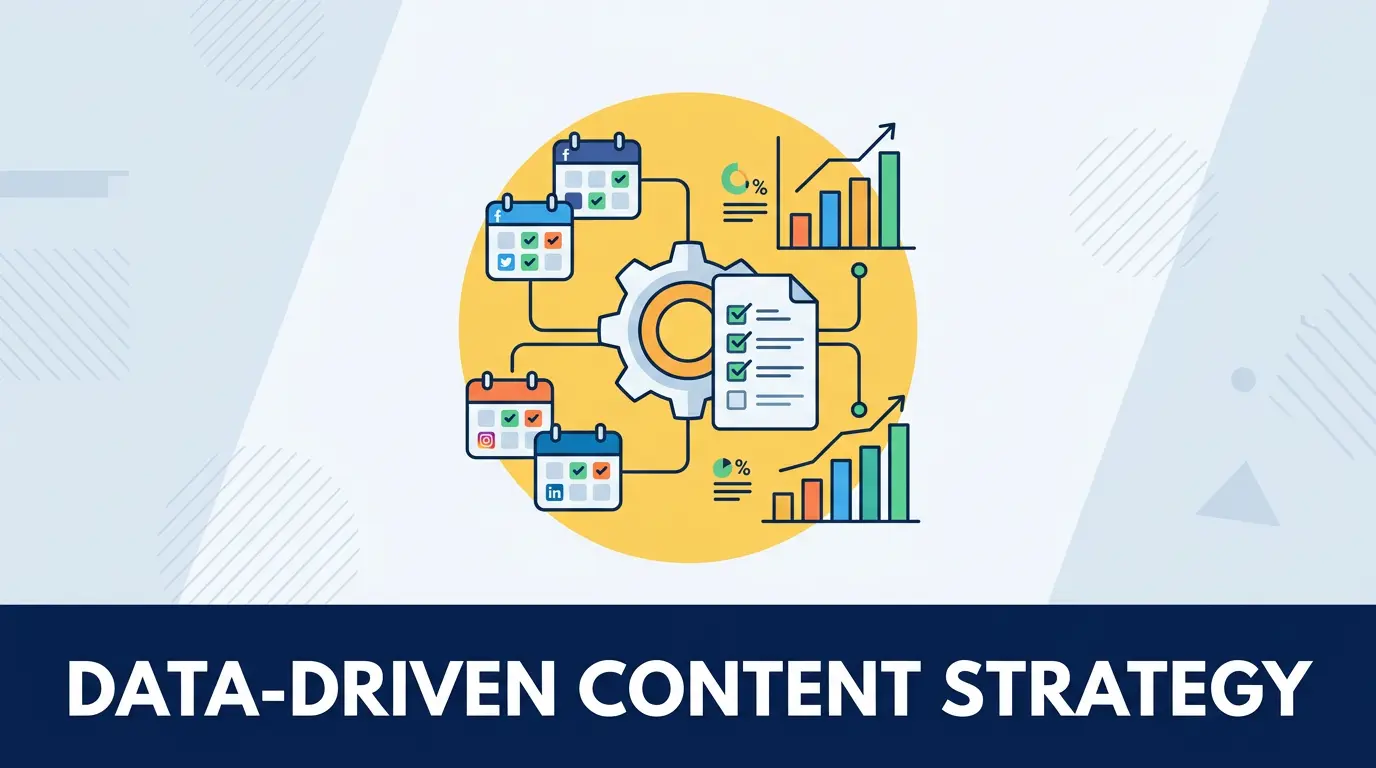
What is a Data-Driven Content Strategy? (Quick Definition): A data-driven content marketing strategy is a systematic operational workflow where every single piece of content you plan, write, and promote is backed by verified search analytics and audience behavior data rather than subjective guesswork, executive brainstorming, or random gut feelings. Instead of writing about topics you personally think sound interesting, you use actual monthly search volume numbers, keyword difficulty scores, and cross-channel engagement patterns to decide exactly what questions to answer and how to distribute those answers across the web. This guarantees that every hour your team invests into content creation directly builds long-term domain authority, attracts high-intent organic visitors, and drives measurable revenue for your business.
Why Traditional Editorial Calendars Fail in the Real World
We have all sat in quarterly marketing planning meetings where a team lead opens up a massive, 50-tab Excel spreadsheet labeled 'Master Editorial Calendar 2026.' It looks incredibly impressive on the conference room monitor, complete with color-coded categories, assigned writers, and publication dates mapped out six months into the future. But in the fast-moving, hyper-competitive reality of modern digital growth, rigid, static content calendars almost always fall apart within sixty days for three fundamental reasons:
• 1. Writing Masterpieces Nobody Searches For: It simply does not matter if a long-form article is researched, formatted, and written like a Pulitzer Prize-winning essay if zero people type that topic into Google every month. When content teams assign articles based purely on internal product features, corporate vanity, or random brainstorming sessions, they spend weeks producing comprehensive 3,000-word guides that generate exactly zero long-term organic visits. Every single assignment on your editorial roadmap must map directly to a verified search query where active buyers are looking for answers right now.
• 2. Blindness to Saturated Competitor Movements: Digital markets evolve rapidly, and search engine algorithms constantly shift to reward topical freshness and domain authority. If you plan your blog topics three months in advance without continually monitoring real-time keyword difficulty trends, your writers might spend three full days laboring over a guide that Wikipedia, Forbes, or a massive competitor site just dominated last week. You must have live search intelligence right at your fingertips inside your drafting environment so you can pivot toward low-competition keyword goldmines before your competitors even notice them.
• 3. The Fatal Promotion Drop-Off: Most lean marketing teams spend 90% of their creative energy writing an article and only 10% promoting it. After wrestling with a research-heavy 2,500-word guide for four days, hitting the 'Publish' button feels like crossing the finish line. In reality, publishing is just the starting line. If you publish a fantastic blog post onto your website but only tweet about it once or post a single generic LinkedIn update, you are leaving 80% of your potential audience, referral traffic, and brand authority sitting untouched on the table.
The True Cost of Software Fragmentation: Why Bouncing Between 5+ Apps Kills Growth
When marketing directors analyze why their content teams miss publishing deadlines or struggle to scale organic traffic, the root cause rarely stems from a lack of effort or writing talent. Instead, it traces directly back to software fragmentation—a modern productivity killer known as 'context switching.' Let's examine how jumping across disjointed tools damages five core pillars of your marketing operation:
• 1. Outocontrol Monthly Software Overhead: Let's add up the itemized monthly bills of a standard fragmented marketing stack: paying separately for enterprise keyword research software ($150 to $250/mo), specialized AI writing assistants ($50 to $100/mo), multi-platform social media scheduling apps ($100 to $150/mo), competitive ad spend monitoring ($100/mo), and basic CRM tracking ($100/mo) quickly drains $500 to $750+ out of your operating budget every single month. Consolidating your entire digital growth operation into our affordable pricing plans cuts your monthly software bills by up to 88%, giving your entire team every enterprise-grade tool they need under one unified roof without budget anxiety.
• 2. Severe Production and Publishing Latency: When writers have to copy and paste text between keyword research dashboards, drafting documents, SEO optimization checkers, and CMS portals, the physical friction of task-switching stretches the average content production cycle to 12 to 16 hours per article. When your real-time keyword metrics and topic research feed directly into your content drafting workspace, your team can produce, humanize, and promote that exact same high-quality article in just 3 to 4.5 hours—tripling your publishing speed.
• 3. Wasted Multi-Channel Distribution Reach: Because manually logging into five different social platforms to resize images, write captions, and format links is tedious and time-consuming, most businesses only promote about 20% of their published blog articles across their social channels. When you utilize our integrated social scheduler right alongside your publishing workflow, your promotional rate instantly hits 100%. You can effortlessly queue up customized promotional cards across LinkedIn, Facebook, and Instagram, expanding your content's organic reach fivefold.
• 4. Broken Semantic Indexing and LSI Keyword Accuracy: Copying drafts between browser tabs frequently results in broken formatting, stripped header tags, lost metadata, and missed secondary keyword targets. By combining our content creation editor with our deep market research intelligence toolkit, your writers receive live semantic word suggestions and competitor backlink insights right as they write, guaranteeing top search engine visibility every single time.
• 5. Friction-Heavy Team Collaboration & Handoffs: Emailing Google Docs, sharing spreadsheet URLs across messy Slack chains, and manually updating task boards creates endless version confusion and team friction. Having your keyword research, content drafting, social promotion, and customer tracking inside one collaborative dashboard eliminates team bottlenecks and handoff delays completely.
How AI Writing Assistants Actually Help (When You Use Them Right)
Let's be completely honest about AI writing: if you simply click a button in a generic chat tool and paste raw, unedited AI output straight onto your company blog, your content is going to sound robotic, repetitive, and uninspiring. Google's quality algorithms know what unedited AI fluff looks like, and more importantly, your target customers do too. The right way to leverage our built-in AI writer is as a high-speed editorial collaborator and structural drafting assistant. When your writing assistant is plugged directly into live keyword metrics, it can help you explore audience topics, build comprehensive article outlines in seconds, and naturally integrate LSI keyword targets right as you type. That frees up your human writers from staring at a intimidating blank page, giving them 80% of the research foundation so they can spend their time doing what humans do best: adding real personal experiences, verified customer stories, expert nuances, and authentic brand voice.
The 4-Step Playbook: Setting Up Your Content & Social Engine Inside 360 Marketing Tool
Ready to eliminate software chaos, reclaim your creative focus, and build an unstoppable, repeatable content marketing workflow? Here is the exact four-step operational roadmap to launch your data-driven content engine right inside your workspace:
Step 1: Discover High-Volume Topics and Build Your Outline. Begin your workflow by opening up our content tools and inputting your core business niche. Let our audience exploration engine analyze verified search trends to reveal exact questions and high-intent topics your buyers are actively searching for right now. Use the writing assistant to build out a clean, logically structured first draft that naturally includes your primary keyword targets, giving your writers an immediate foundation to edit, humanize, and enrich with unique brand authority.
Step 2: Inspect Competitor Ad Strategy and Queue Your Promotion. The exact moment your blog post goes live on your website, don't stop there. First, inspect how your top competitors are spending money to promote similar topics using our ad tools. Next, immediately switch over to our integrated social tools dashboard. Instead of logging into separate accounts all over the web, you can create, customize, and queue up tailored promotional snippets, key quotes, and visual update cards for LinkedIn, Facebook, and Instagram simultaneously from a single screen.
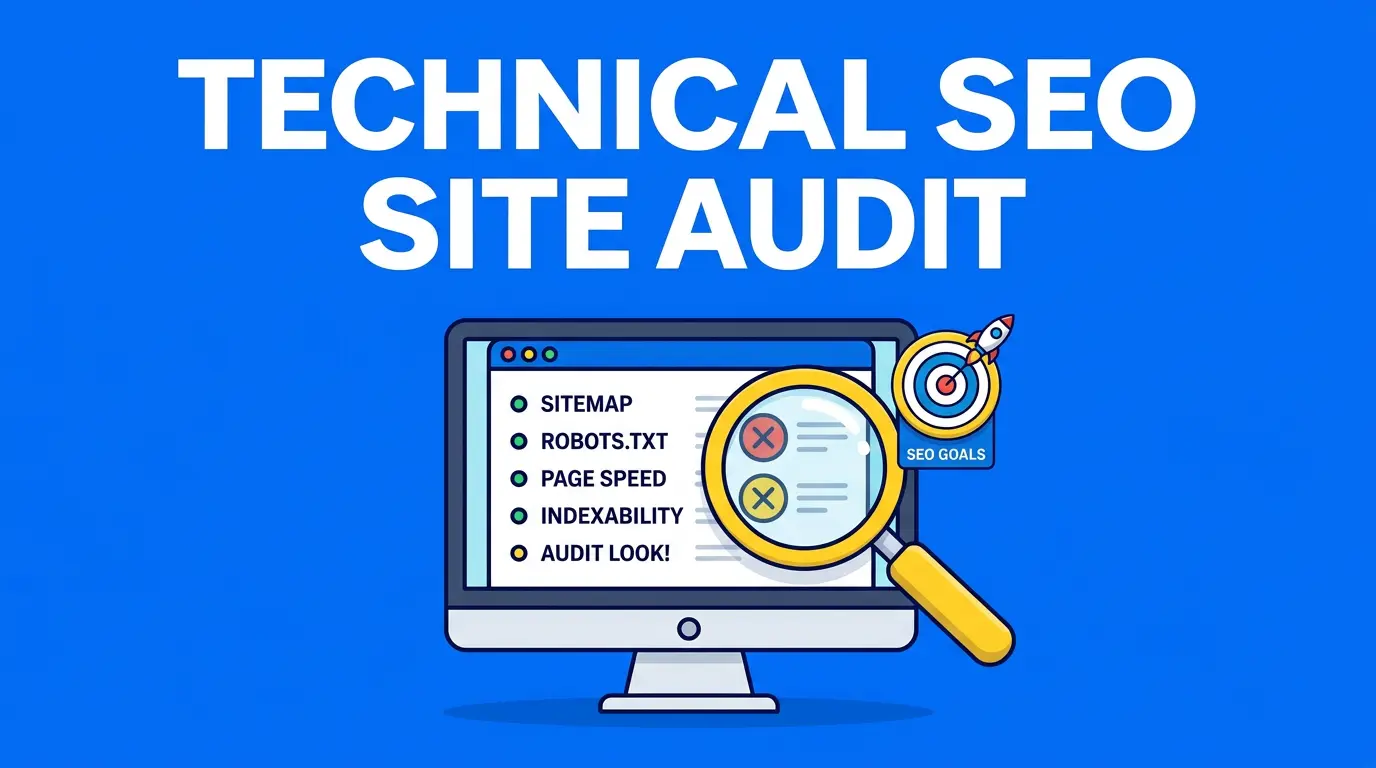
Step 3: Double-Check On-Page Technical Hygiene Before Publishing. To ensure that your newly published content achieves maximum ranking velocity without getting tripped up by hidden structural bugs, review our honest breakdown of SEO mistakes. Verifying simple formatting habits like meta description length, proper heading hierarchy (`H1 -> H2 -> H3`), and clean image optimization ensures search engine crawlers index your work on the first pass.
Step 4: Track Incoming Customer Leads Inside Your CRM Dashboard. The ultimate goal of every article you publish and every social media post you schedule is to drive qualified potential customers to your business. By connecting your content engine directly into our CRM suite, you can track every visitor who fills out a contact form, manage client reporting and workflows, nurture high-intent leads, and support up to 500,000 customer profiles directly from one unified dashboard.
Frequently Asked Questions (FAQ) — Quick Answers for Content Teams
Q1: What are the biggest benefits of using an all-in-one social media scheduling tool?
Answer: An all-in-one social media scheduling tool easily saves a lean marketing team 10 to 15 hours every single week. Instead of logging into five different social apps and copying and pasting links, you can write, schedule, publish, and track all your promotional posts from one dashboard, ensuring your content actually gets seen across every channel.
Q2: How does an AI content writing assistant actually help my SEO rankings?
Answer: A good AI writing assistant analyzes the top-ranking articles on Google right while you write and gives you live recommendations on word count, subheadings, and semantic keywords. By following these real-time suggestions, your writers can create thorough, well-structured articles that perfectly answer what searchers are looking for.
Q3: How do you know if a data-driven content marketing strategy is actually paying off?
Answer: You track three straightforward numbers: organic traffic growth (how many more people find you on Google every month), audience engagement (how long they stay on your pages and share your links), and actual conversions (how many of those readers sign up for your product or fill out a contact form inside your CRM).
What to read next